


From big data and global collaboration to bullying in academia – the Young One Health Forum 2026 once again offered participating early-career researchers a wealth of topical issues and networking opportunities.
The world is changing. This statement is probably true at any given time, but at present this change is taking place at breakneck speed. This makes it challenging even for young researchers in the One Health field to find their bearings and build a career. The Young One Health Forum (YOHF), organised annually by the One Health Platform, provides a space where early-career researchers can exchange ideas and discuss current issues. In 2026, the event took place on 24–25 September at the Helmholtz Centre for Infection Research on the Science Campus in Braunschweig.
Initial round of introductions with curious facts
Following a brief introduction by the host, the One Health Platform, the participants got to know one another better through an icebreaker. During an introduction round based on the ‘Two Truths & a Lie’ format, participants learnt a few curious facts about the work or career paths of those present. This provided talking points for the initial conversations during the coffee break.
The first challenge then came in the form of the poster slam. The task here was to present one’s current research to the audience in one minute and spark their interest – without any visual or audio aids. This is a challenge that researchers frequently face in their day-to-day work, particularly at conferences. During the poster slam, the participants mastered this task with flying colours. The poster sessions then provided a deeper insight into the research, with individual research projects being presented in greater detail and discussed in peer groups.
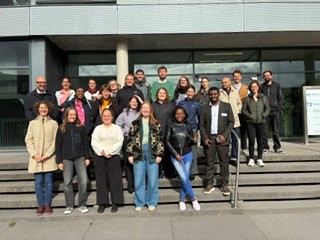
Fig. 1: Participants at the YOHF 2026 at the HZI in Braunschweig
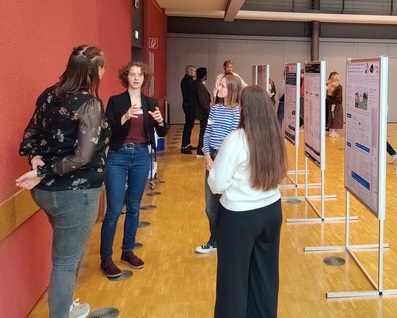
Fig. 2: Lively scientific exchange between participants during the poster sessions
Career insights – an unvarnished look behind the scenes
In addition to the exchange amongst early-career researchers themselves, the YOHF 2026 also offered the opportunity to engage with established researchers. Christian Sieben, HZI Braunschweig, and Isabelle Krammer, University of Frankfurt, shared their personal career paths with those present, speaking openly about failures and setbacks – things that are not usually apparent at first glance on CVs. For example, how many applications were unsuccessful. The pair also offered tips on how to successfully establish oneself in an independent field of research.
A short guided tour of the science campus led by the Head of Public Relations at the HZI helped clear everyone’s heads and provided interesting information about the venue. Including designer walls with holes… but that’s another story.
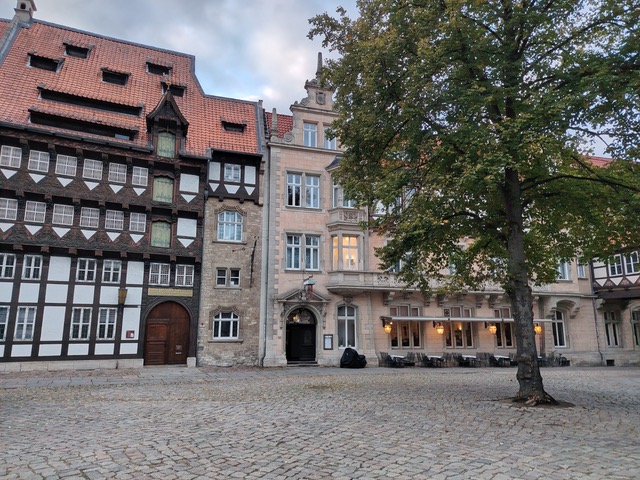
Fig. 3: Braunschweig provided a fitting backdrop for the YOHF 2026
Data-driven One Health research
The afternoon session on the first day was devoted to the topic of ‘data’. Here, Carola Sauter-Louis, Head of the Institute of Epidemiology at the Friedrich Loeffler Institute, provided fascinating insights into the data systems used for animal disease control. Due to globalisation, worldwide trade and travel, as well as changes in land use and habitats in the wake of climate change, effective surveillance tools are becoming increasingly important. Early detection of an outbreak is crucial for successful containment. In Germany, two tools are available for the control of animal diseases: the TSN (Animal Disease Notification System) and the KVP (Crisis Management Programme). However, databases on animal movements also provide valuable information. She demonstrated how this works using the examples of African swine fever (ASF) and foot-and-mouth disease (FMD).
Kathrin Wolf from Helmholtz München discussed the added value of linking environmental data with data on human health. Specifically, she demonstrated how environmental data (e.g. air pollution, noise, humidity, air temperatures or green spaces) can be linked with data from the NAKO health study, Germany’s largest cohort study. If the hurdles in data harmonisation are overcome, it is possible, for example, to identify links between exposure to ultrafine particles and cardiovascular disease, as well as between fatty liver and road traffic noise. Ms Wolf also highlighted the potential of the NAKO data and samples for One Health research questions and suggested that these be utilised more extensively in One Health research in future.
One Health from a global perspective
The second day of the event began on an international stage. Amina Benyahia, Head of the One Health Initiative at the World Health Organisation (WHO), provided an overview of the activities of the WHO and the Quadripartite – comprising WOAH, FAO, UNEP and WHO – in the field of One Health.
In line with this, the afternoon session focused on international research collaboration – an area in which a very clear shift is currently emerging. Ahmed Ab al Wahed from the University of Leipzig shared his experiences with global One Health research. He identified five areas which, in his view, need to be addressed for the global implementation of One Health: capacity building, translating research into health policy, cooperation on an equal footing, public participation and innovative teaching. The aim, he said, is to bring about major global change through local action – “Think globally, act locally.”
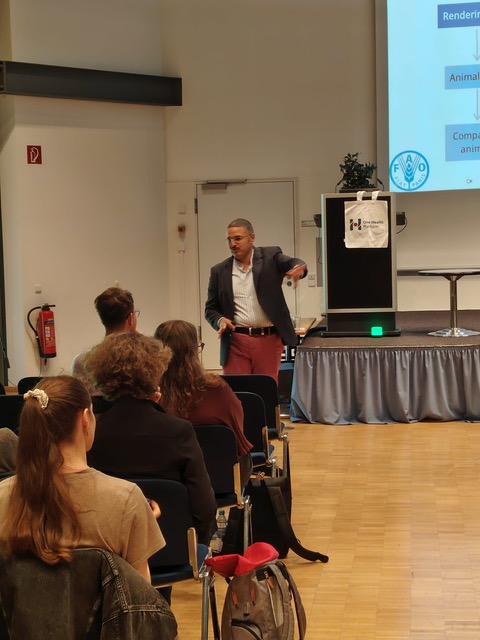
Fig. 4: Dr Wahed shared his experiences in global One Health research with the participants with great enthusiasm
Nils Gade, Head of the One Health sector programme at GIZ (German Society for International Cooperation), discussed current trends in international One Health cooperation in his presentation. He emphasised that Germany is committed to One Health on a global scale and that there are numerous opportunities and prospects for One Health in international cooperation at both global and regional levels. However, he noted that funding levels and projects are being negatively affected by global crises.
Bullying in academia – a problem?
Alongside the specialist sessions, the second day featured an optional additional session on mental health and a session on the topic of ‘Bullying in academia’. Here, two professors from the community shared their experiences and called on participants not to tolerate or keep quiet about bullying. Even though the academic world exacerbates these issues through systemic dependencies, such as fixed-term contracts and hierarchical disparities. The ensuing discussion made it clear that the topic is extremely relevant to young researchers and that further initiatives on this subject would be very welcome. As a first step, the One Health Platform has addressed the issue in a survey (link to survey) to identify needs.
Poster Award 2026
To round off the event, the best performance in the poster slam and the best poster of the event were announced. The prize went to Johanniska Dsani from the University of Bonn, who managed to engage the participants in the poster slam and inspire them with her research, which focuses on the implementation of the One Health approach in the Zoonosis Surveillance and Response System in Ghana. The prize is free attendance at the International One Health Symposium, taking place from 29 September to 1 October 2027 in Berlin.
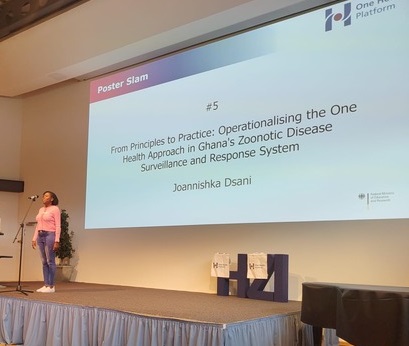
Fig. 5: Johanniska Dsani impressed the audience with her poster slam and poster presentation at the YOHF 2026
Overall, the YOHF 2026 offered participants a wealth of valuable insights and information on current topics in One Health research. In particular, developments in the fields of data and international collaboration will shape the future careers of these researchers. The great atmosphere, the lively discussions and the new connections made definitely made the YOHF 2026 a success and have already got us looking forward to the YOHF 2027. We will announce the date and venue soon. Stay tuned!
A big thank you goes to all the speakers and participants for their contributions, as well as to Maximilian Rohde, Maresa Neuerer and Sebastian Sprengel for their help in organising and running the event.