



Brief introduction to research grant recipients 2026
The One Health Platform is delighted to be able to offer these four scholarship holders the opportunity to undertake a research placement lasting several months at a German research institution.

My name is Peggy Woh. I am an Assistant Professor at VinUniversity, Hanoi, Vietnam. By training, I am a public health microbiologist, and my research is embedded within a One Health framework focusing on antimicrobial resistance (AMR) at the human–animal–environment interface.
Focus:
(1) Resistance evolution and cross-border transmission dynamics: I have applied whole-genome sequencing, machine-learning–based AMR prediction, and phylodynamic and phylogeographic methods to investigate AMR dissemination across human and food-associated systems in Southeast Asia and Hong Kong (International Journal of Antimicrobial Agents 2025; Microbiology Spectrum 2025; International Journal of Food Microbiology 2025).
(2) Microbiome ecology and environmental health: I have contributed to studies on gut microbial and archaeal communities in longitudinal microbiome development and disease-associated microbiome alterations during my stay in Medical University of Graz (Microbiology Spectrum 2025; mSystems 2024).
(3) Microplastic and gut microbiome: I have investigated microplastics (MPs) as emerging environmental stressors affecting the human gut microbiome using SHIME-based experimental systems. In parallel, I have examined MPs contamination in seafood from a One Health food safety perspective (Toxics, 2025; Journal of Hazardous Materials, 2024).
My motivation for TU Dresden:
My motivation for undertaking a research stay at TU Dresden is to advance the study of antimicrobial resistance gene (ARG) mobility as a critical yet insufficiently understood determinant of long-term AMR risk. In contrast to abundance-based approaches, ARG mobility, particularly plasmid-mediated horizontal gene transfer provides a mechanistic basis for understanding AMR persistence and dissemination across human–environment interfaces. My background in AMR research, microbiome, and SHIME-based MP exposure models complements the host laboratory’s expertise in environmental AMR, horizontal gene transfer, and ddPCR-based ARG–mobility linkage methodologies. The host institution offers the necessary conceptual and methodological framework to quantitatively assess ARG mobility beyond abundance-based metrics.
The proposed project builds on my existing SHIME-derived MP exposure samples (Focus 3) in order to enable an exploratory and focused assessment of ARG–plasmid linkage as a proxy for mobility under controlled, human-relevant conditions. This may contribute to a better understanding of MPs as a potential interface influencing ARG transfer processes across human and environmental compartments. My research stay is conceived as an intensive methodological and conceptual exchange, aimed at further strengthening my analytical competencies in ARG mobility assessment and contributing to the development of an initial One Health-oriented proof-of-concept.
partner institute: Technical University Dresden
period: November 2026 - January 2027

My name is Anna Sawicka-Durkalec, and I am a veterinary microbiologist and assistant professor at the National Veterinary Research Institute in Puławy, Poland. My research focuses on infectious diseases at the animal-human-environment interface, including pathogen transmission, the role of wildlife, and antimicrobial resistance within the One Health framework.
For several years, my work has focused on bacterial pathogens affecting poultry health, particularly Mycoplasma spp. and Riemerella anatipestifer. I have investigated the occurrence of these pathogens in both domestic and wild birds, as well as potential links between wildlife and poultry production systems. I am particularly interested in the role of wildlife in the spread of pathogens relevant to animal and public health. In previous projects, I studied pathogen occurrence in migratory wild geese and analysed phylogenetic relationships between strains isolated from wild and domestic birds. I also investigated the survival of Mycoplasma anserisalpingitidis in water to better understand the role of the environment in infectious disease transmission. In addition to scientific research, I am actively involved in diagnostic and laboratory work at the National Veterinary Research Institute, which allows me to combine research activities with practical challenges related to veterinary medicine and infectious disease surveillance.
In my work, I am guided by the belief that understanding infectious diseases requires looking beyond a single host or scientific discipline. I believe that integrating veterinary microbiology, environmental research, and wildlife ecology is essential for improving animal and public health in the future.
My current project, carried out as part of a fellowship at the German Federal Institute for Risk Assessment (BfR) in Berlin, is a natural continuation of my previous research interests. It focuses on Erysipelothrix rhusiopathiae, a zoonotic bacterium with a broad host range, for which pigs are considered the main reservoir. Human infections are mainly associated with contact with infected animals or their tissues and primarily affect high-risk occupational groups such as livestock farmers, slaughterhouse workers, veterinarians, and hunters. An important aspect of the epidemiology of this pathogen is its ability to survive for long periods in the environment, animal tissues, and animal products, which may contribute to the persistence of infection sources and increase the risk of transmission.
The project investigates the occurrence and molecular characterisation of E. rhusiopathiae in wild boar populations from different regions of Germany. Positive samples will undergo molecular analyses to determine strain relatedness and diversity, as well as the presence of mutations associated with antimicrobial resistance. These analyses will help assess potential links between strains circulating in wildlife, livestock, and humans, and determine how environmental factors and anthropogenic pressure may influence pathogen circulation.
BfR is an ideal place to conduct this research due to its expertise in zoonotic pathogens, wildlife monitoring, and One Health risk assessment. In addition, the institute provides access to a unique archived collection of wild boar liver samples collected from different regions of Germany over many years, creating an exceptional opportunity to investigate the circulation of E. rhusiopathiae in wildlife populations.
Through this fellowship, I aim to combine my previous experience in veterinary microbiology and pathogen ecology with BfR’s expertise in zoonotic pathogens, wildlife monitoring, and One Health risk assessment.
partner institute: German Federal Institute for Risk Assessment (BfR)
period: end of August - end of December 2026
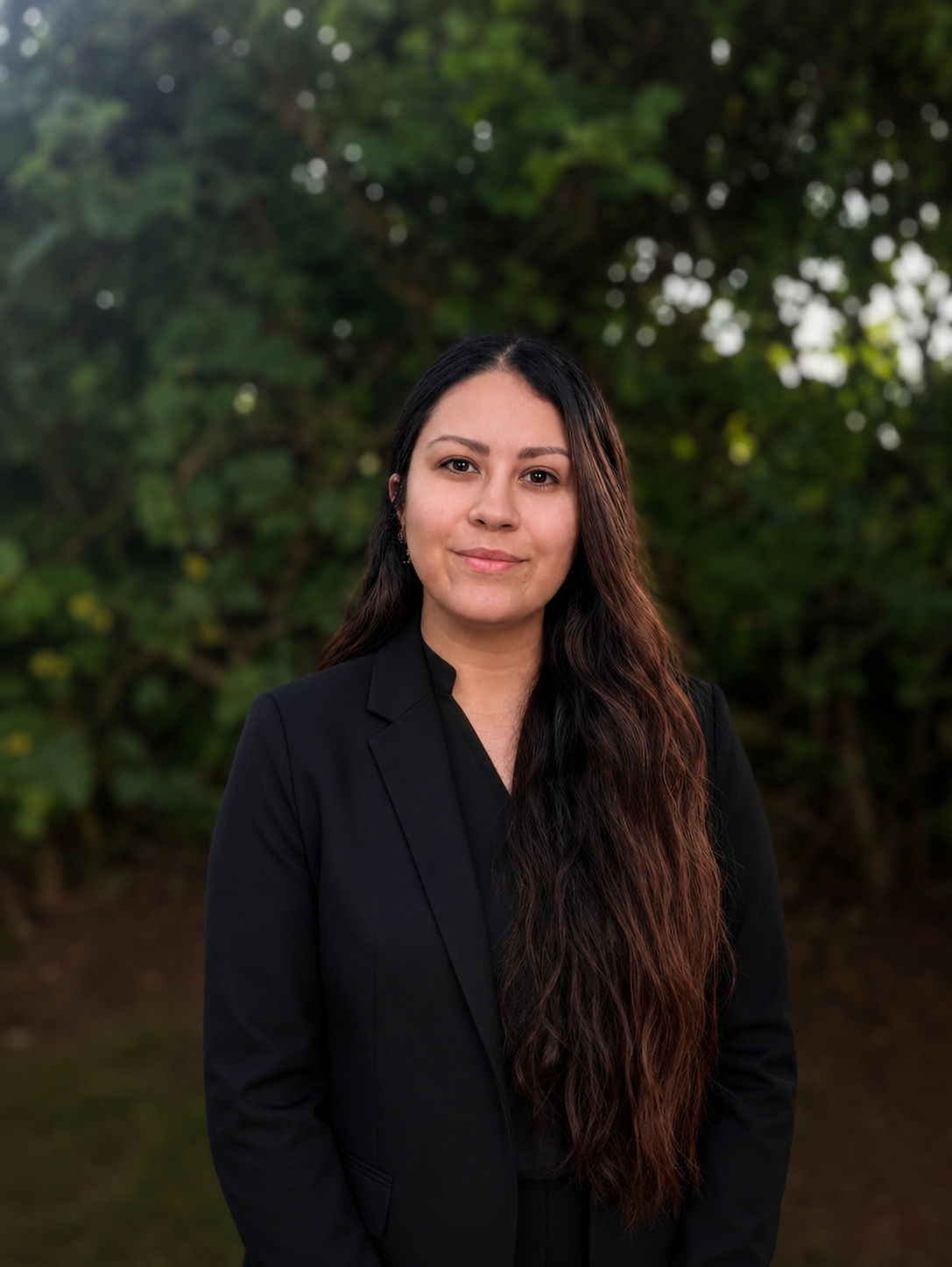
My name is Rochelle Rademan, and I am a postdoctoral researcher affiliated with the Centre for Viral Zoonoses at the University of Pretoria, where my work focuses on wildlife virology, disease ecology, and zoonotic spillover risk within a One Health framework. My research combines molecular surveillance, genomics, ecological analyses, and bioinformatics to investigate how host biology, environmental pressures, and viral dynamics influence pathogen maintenance and transmission in wildlife populations.
Bats are increasingly recognised as important reservoir hosts for emerging zoonotic viruses, including coronaviruses, filoviruses, paramyxoviruses, and influenza viruses. Unlike many other mammals, bats can tolerate viral infections with limited signs of disease, suggesting that unique immunological mechanisms may regulate inflammation and viral persistence. Understanding how bat immune systems balance antiviral responses with disease tolerance is therefore critical for improving our understanding of viral maintenance, shedding dynamics, and the ecological drivers that contribute to zoonotic spillover risk.
During my stay at the Institute of Immunology (IfI) at the Friedrich-Loeffler-Institut (FLI), we will investigate the immunological mechanisms underlying viral shedding and disease tolerance in bats using proteomic, molecular, and computational approaches. The project will focus on evaluating cytokine and chemokine responses in Egyptian fruit bats and linking these immune responses to physiological state, reproductive dynamics, and viral shedding patterns. The research visit will provide advanced training in proteomic workflows, interferon reporter assays, transcriptomic integration, and computational analysis of immune responses in wildlife species. Working alongside immunologists and proteomics specialists will further strengthen my expertise in advanced laboratory and analytical approaches relevant to bat immunology and zoonotic disease research.
The expertise and collaborative networks developed during this research stay will be transferred back to South Africa to strengthen local capacity in bat immunology, proteomics, and emerging infectious disease research. By integrating molecular tools with ecological and One Health approaches, this work aims to contribute to regional and global efforts focused on emerging infectious disease surveillance, preparedness, and spillover prevention at the human–animal–environment interface.
partner institute: Friedrich-Loeffler-Institut (FLI) – Institute of Immunology (IfI)
period: August 2026 – November 2026
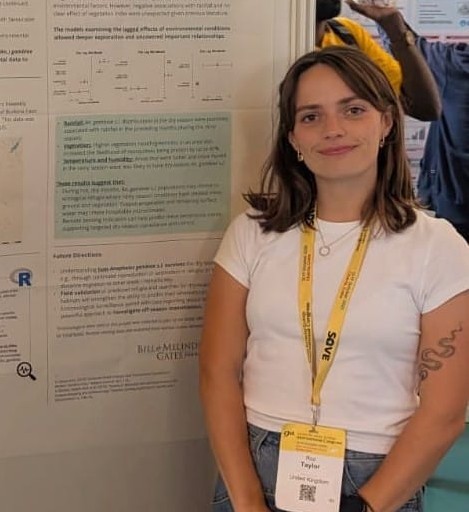
My name is Roz Taylor, a PhD student at the London School of Hygiene and Tropical Medicine. I have a background in ecology, entomology, and One Health, and use this experience to study how environmental and anthropogenic conditions - and particularly human activities - influence the ecologies and distributions of disease-transmitting mosquitoes and thus the transmission landscapes of mosquito-borne diseases.
My research focuses on the environmental conditions and ecological niches shaping the invasion and spread of the invasive malaria vector Anopheles stephensi in East Africa. Native to South Asia and the Middle East, An. stephensi was first detected in Djibouti City, a major maritime trade hub, in 2012, and has recently spread rapidly through surrounding countries as far west as Ghana. The species differs significantly from native African Anopheles vectors, such as An. gambiae s.l. and An. funestus, because it can breed in man-made habitats including water storage containers, wells, cisterns and construction sites. This allows it to thrive in urban centres, large towns and arid areas where native Anopheles are less abundant. Unlike native species, An. stephensi also feeds readily on livestock, rests both indoors and outdoors, and bites throughout the day inside and outside homes. This raises two concerns: 1) that An. stephensi could increase malaria risk in previously low-risk, densely populated areas; and 2) that current control measures designed around An. gambiae s.l. and An. funestus may be less effective.
Despite its clear threat to malaria control in sub-Saharan Africa, we don't know how An. stephensi is spreading across vast distances, and the potential involvement of human mobility through trade and migration has been largely unexplored. Detections in rural pastoralist areas, and at the largest slaughterhouse in Western Kenya, suggest livestock movement could present a risk for spread. During my time at the University of Heidelberg's Global Health Institute, I will be exploring this using GIS mapping approaches, entomological data, livestock routes and information from the International Livestock Research Institute, road infrastructure, and environmental suitability for the vector. I will work with Kenyan collaborators from the Kenyan Medical Research Institute and International Livestock Research Institute to contextualise these findings.
This time in Germany will help to strengthen research collaborations between Heidelberg, London, and Kenya. I aim to gather key insights into potential One Health dispersal modes for An. stephensi in East Africa, and hope that these findings could build further rationale for on-the-ground research and surveillance.
partner institute: Heidelberg Institute of Global Health
period: end of August - end of December 2026